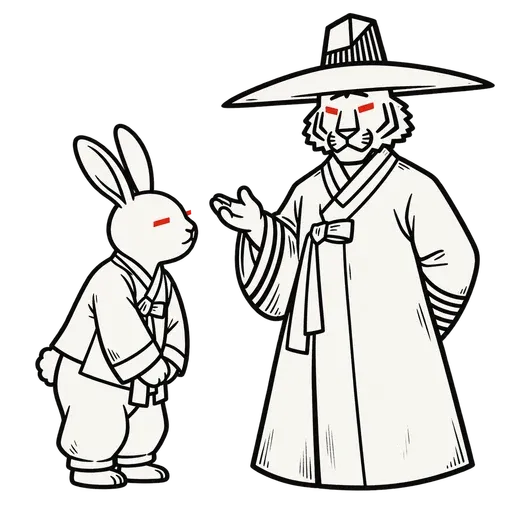
-소
-소: …So — Old Polite Shopkeeper Style
Ending: …so — the old polite style of shopkeepers and elders.
How to form it
| When | Form | Example |
|---|---|---|
| After stems in old polite style | -소 | 있소 / 없소 / 좋소 |
| With related -으오 family | …소. | 여기 있소. / 그럽소. |
-소 is an old polite ending — shopkeeper/elder colour in the stereotype.
Related to -으오. Not café -요. Not modern -습니다.
Why this is hard
Old polite endings cluster. Learners meet 있소 in drama and try it in chat. This page’s job is to name the period polite coat, not to recommend it as default service speech today.
What it does
여기 있소.
그럽소.
없소.
좋소.
The ending marks older polite address in a short, stocky shape.
Forms
Stem + -소 in the old polite style. Classroom anchors often use 있소 / 없소 / 그럽소.
When not to use it
Do not use it as modern café polite — -요.
Do not use it as modern formal — -습니다.
Do not invent it as slang irony in every text unless you mean theatre.
Neighbours — and why they differ
| Form | Why it is not this slot |
|---|---|
| -으오 | Related old polite neighbour. |
| -요 | Living polite. |
| -습니다 | Modern formal. |
Ask: do I want old polite period colour? If yes, -소. If living polite, stay with -요.
If the scene is a period shop or an elder’s short reply in fiction, this coat is why the line feels dated on purpose.
Do not confuse it with
Taught alongside this
On the jabi learning path, this appears in 종결어미 (final ending) — Advanced Korean 2, Unit 3, on the theme of final ending. These come with it:
Words used above
Quick check
No sign-up, no score saved — just see if it stuck.
1. A period-drama shopkeeper gives a short polite reply that an item is here. Which line deliberately sounds dated?


2. Which sentence is suitable for a present-day employee replying formally to a customer, without theatrical -소?
3. A learner texts a new colleague, '좋소!' merely to sound friendly. Which replacement keeps polite approval without the period-drama effect?
Common questions
Job?
Old polite ending — classic shopkeeper/elder colour in drama and fiction.
Vs -으오?
-으오 is a close neighbour in the old polite family.
Vs -요?
-요 is living polite. -소 is period colour.
Email?
Usually no — unless you want theatrical old politeness.
Seen in the wild
Lessons where this pattern showed up in real Korean — news, slang, drama lines.