
-다가 vs -고: Cut Mid-Action, or Just And
가다가 멈췄어요 cuts the walk. 가고 멈췄어요 only lists. Same two verbs. One claims a switch. The other refuses to.
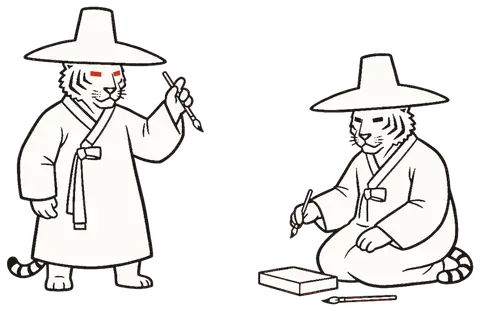
The walk that stops
You left the house. Halfway down the street, you halt.
가다가 멈췄어요.
gadaga meomchwosseoyo — I was going, then I stopped.
다가 cuts the going. The first action is mid-stream. The second takes over. Rain, a shop, a name you heard — something switched the walk.
Swap the hinge.
가고 멈췄어요.
gago meomchwosseoyo — I went and I stopped.
고 lists. It sequences. It refuses to say you were interrupted. If the story is the cut in the middle of the street, 가고 멈췄어요 is the wrong line. It is not a softer 가다가.
Homework, then sleep
숙제하다가 잤어요 — you were on the homework, then sleep took over. The page is still open, or the problem is half done.
숙제하고 잤어요 — homework, and then sleep. Two items. No claim that sleep broke the work.
Learners paste “and” from English onto both. Korean splits the jobs. A cafe line you already know sits with 고: 먹고 갔어요. You ate and left. 먹다가 갔어요 says you stood up mid-bite. That is the swap that fails if you only meant sequence.
Do not borrow 아서 for the cut
가서 멈추세요 is a different error. -아서 cannot sit in front of a command. 가다가 is not a command hinge either. This page is interrupt versus list.
One test. Did the first action get cut? 다가. Are you only lining two verbs with no claim about why or when the first died? 고. 비가 오다가 그쳤어요 keeps the weather mid-fall, then the stop. 비가 오고 그쳤어요 just names rain and a stop, like a list on a board. 집에 가다가 빵을 샀어요 is a detour mid-walk. 집에 가고 빵을 샀어요 is just two errands in a row. If you only remember one failed line, remember 먹다가 갔어요 said when you finished the bowl. That seat belongs to 먹고 갔어요. A walk that simply continues, then a later stop at home, is still 가고 도착했어요, not 가다가, unless something cut the going. Do not leave thinking both are fine. The English and will try to sell you that lie.
Common questions
Does -고 mean because?
No. -고 refuses to say why. Cause is -아서/어서, and that form cannot take past or a command.
Can -다가 take past on the first verb?
The usual shape is stem + 다가, tense on the end: 가다가 만났어요. A past-marked 갔다가 exists as a related trip-and-back reading. This page stays on the interrupt.
Is 그리고 the same as -고?
그리고 links sentences. -고 links clauses. Nouns take 과/와, 하고, or (이)랑, not 그리고.
What about 하다가 말았어요?
That is still a switch: you were doing it, then you dropped it. -고 말았어요 is a different 말다. Do not blend them here.

Practice & questions
Try a sentence with an expression from this lesson, or ask about anything you are still unsure of.
Guest comments appear after review. Existing member comments remain attached to their accounts.