
Keoteokal Toegun: Korean Slang for a Quiet Office Exit
Learn how 커터칼퇴근 differs from 칼퇴근: quietly leaving shortly after work ends while reading the room, plus when not to use the slang.
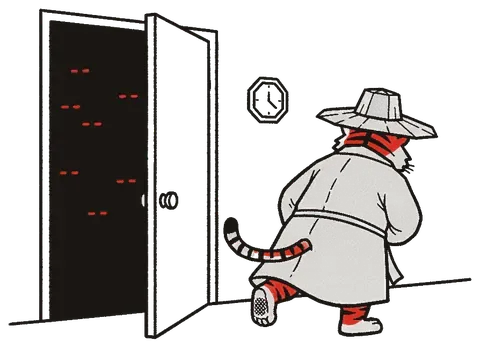
커터칼퇴근 is what you call it when you leave work a little early — but not bravely.
English searchers want a neat gloss. Here it is: not knife-sharp on-time leaving (칼퇴근), but a smaller cut — slip out after reading the room.
The joke in the parts
칼퇴근 = leave like a knife — exactly when the clock says you may.
커터칼 = a utility cutter, smaller and less heroic. Swap the blade, keep 퇴근, and you get a self-deprecating upgrade: I want my evening, but I still check faces first.
오늘은 커터칼퇴근 했어.
Today I quietly slipped out after reading the room.
Who says it to whom
Peer to peer in chat: the home of the word. Shared suffering, shared comedy.
Self-caption after a successful exit: common.
To a manager as announcement: dangerous. You are narrating an exit strategy in front of the person whose 눈치 you were reading.
In a job interview as your philosophy: no. Talk about efficiency and boundaries in plain Korean instead.
The grammar of the habit
Conditional -(으)면 shows up when people describe the rule they wish they had:
일만 끝나면 커터칼퇴근 한다.
If the work is done, I cutter-exit.
Topic 은/는 sets up contrast with the old culture of sitting late:
야근은 줄이고, 커터칼퇴근은 늘렸다.
Cut overtime; grew the soft early leave.
Progressive -고 있다 for the awkward middle moment — coat on, still watching:
아직 눈치를 살피고 있어. — Still reading the room.
When not to use it
- As cover for dumping unfinished work on teammates.
- As a flex toward someone forced to stay.
- In HR writing, contracts, or formal complaints — use 정시 퇴근 / 근무시간.
What it reveals
Korean already had 칼퇴근. Needing 커터칼퇴근 means the sharp exit is still politically hard in many offices. The smaller blade is honesty: people want life after work, and they still navigate hierarchy to get a slice of it.
Recognise it in workplace chats. Produce it only with people who share the same ceiling lights.
Common questions
Is it bragging or confessing?
Often both. People boast a little about reclaiming evening time, and confess they still cannot do full 칼퇴근.
Can I say it to my boss?
Almost never as a plan. Peers get the joke; managers may hear 'I am leaving while you are still here.'
Is 커터칼 the stationery knife?
Yes — the small retractable blade. The joke is that your exit is a smaller, less decisive cut than 칼.
Is this only 2026 slang?
It spiked in young-worker talk and employment features around early 2026, building on the older 칼퇴근.
Sources
Written as educational material for Korean learners. Sources for the facts are below:

Practice & questions
Try a sentence with an expression from this lesson, or ask about anything you are still unsure of.
Guest comments appear after review. Existing member comments remain attached to their accounts.