
-아서/어서 vs -(으)니까: Sorry, Then a Command
You are late. 늦어서 미안해요 is the apology. 늦으니까 들어가세요 is the command. Swap them and one line is wrong.
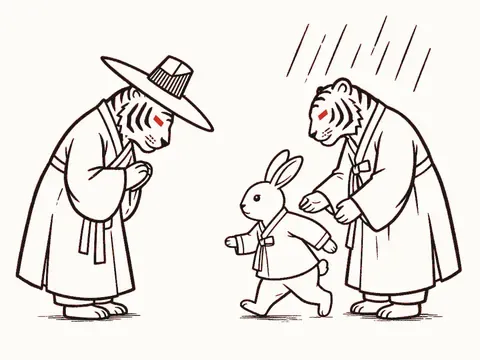
Late at the door
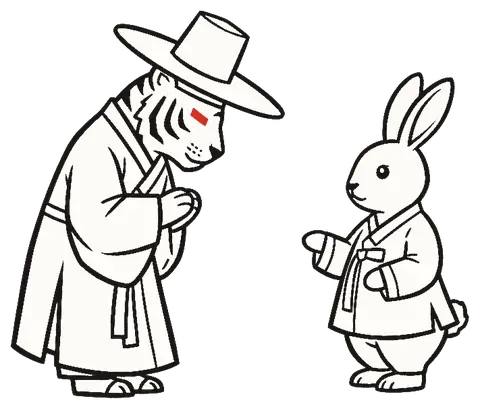
You are late. The door is still open. Two jobs sit in the same minute: you apologise, then you ask them to wait.
늦어서 미안해요.
neujeoseo mianhaeyo — Sorry I’m late.
어서 names the cause as a fact, then a statement. Apologies and thanks take this hinge. 늦으니까 미안해요 is the wrong line. You did not hand them a reason for their next move. You owned a fact and said sorry.
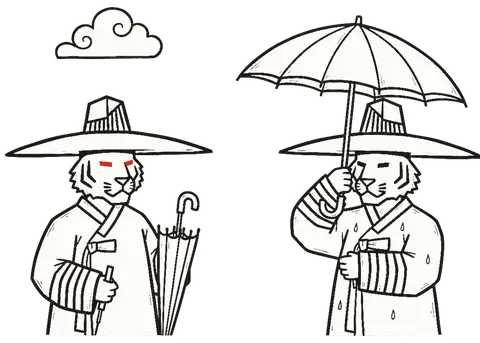
Now swap the second job. Rain, and you want them inside.
비가 오니까 들어가세요.
biga onikka deureogaseyo — It’s raining, so please go in.
니까 can stand in front of a command. 비가 와서 들어가세요 is wrong. -아서/어서 never precedes a command or a suggestion. The swap is not emphasis. One of those two sentences fails.
Past stays off -아서
People try to put the delay in the past on the hinge: 바빴어서 못 갔어요. That form is always wrong. The cause is 바빠서. Past, if you need it, sits on the result: 바빠서 못 갔어요.
니까 is allowed to carry past: 바빴으니까 먼저 가세요. The first half can be 바빴으니까. The second half can be a command. That pair is closed to -아서.
하다 is 해서, not 하어서. 늦다 is 늦어서. Stem vowel ㅏ/ㅗ takes -아서. Everything else takes -어서. None of those forms add 었 in the middle.
ㄹ drops before 니까
You are explaining why you know the neighbourhood.
이 근처에 사니까 알아요. 살다 loses ㄹ: 사니까, not 살으니까. The drop is a form rule, not a style choice.
-아서 keeps the ㄹ: 살아서. Different hinge, different shape. If you need a command after “I live here,” you still need 니까: 가까우니까 걸어가세요. 가까워서 걸어가세요 aimed at them is the same error as the rain line.
Do not close with both are fine. If the next word is 세요, pick 니까. If the next word is 미안해요 or 고마워요, pick 아서/어서. A swapped hinge is not a softer tone. It is simply the other sentence.
Common questions
Can -아서 take past if the result is past?
No. The cause stays in the stem you already have: 바빠서 못 갔어요. The past sits on the second verb. 바빴어서 is always wrong.
Why do apologies refuse 니까?
An apology presents the cause as a fact you own, then the sorry. That is -아서/어서. 니까 hands the listener a reason for their next move. Sorry is not their next move.
Can 니까 stand alone?
Yes. 왜요? 비가 오니까요. -아서/어서 does not like that isolated answer as much. Different job, not a style upgrade.
Suggestions too?
A suggestion is in the same family as a command for this test. 피곤하니까 쉬어요. 피곤해서 쉬어요 as a suggestion to them is the wrong hinge.

Practice & questions
Try a sentence with an expression from this lesson, or ask about anything you are still unsure of.
Guest comments appear after review. Existing member comments remain attached to their accounts.